
 EN
 AR
 FR
 DE
 JA
 PL
 PT
 RU
 ES
 ID
 TH
 MS
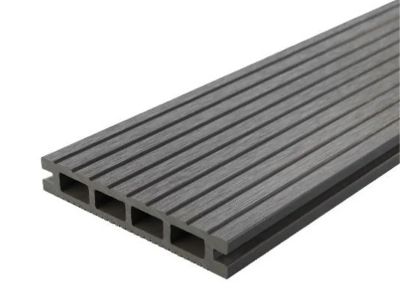
extrusion decking capping is a revolutionary advancement in the Wood Plastic Composite (WPC) industry, offering superior performance compared to traditional WPC solutions. This article will delve into why extrusion decking factory direct capping outperforms conventional materials, addressing key buyer concerns such as durability, maintenance, and cost-effectiveness. By understanding these factors, B2B buyers including purchasing managers, distributors, and product managers can make informed decisions that align with their project requirements and budgetary constraints.
Affordable Wholesale Options for Coextrusion Decking Capping Solutions
When sourcing extrusion decking capping solutions, affordability is a primary concern for many buyers. Investing in factory direct options provides significant cost savings by eliminating intermediaries. Nanjing Jufeng Advanced Materials Co., Ltd. offers wholesale pricing on high-quality extrusion decking products that combine durability with aesthetic appeal. Buyers can expect lower minimum order quantities (MOQs) and flexible customization options that allow for tailored solutions to fit specific project needs. Moreover, the economic advantages of extrusion Composite decking extend beyond initial purchase costs. With a service life exceeding 15 years and minimal maintenance requirements, buyers can realize long-term savings. The eco-friendly nature of WPC materials also aligns with many companies' sustainability goals, making these products a compelling choice for environmentally conscious businesses.
What to Look For?
When evaluating extrusion decking capping, several key specifications should be considered:
Material Composition: Check the ratios of wood fibers to plastic, as this affects strength, flexibility, and appearance. Quality materials will offer better resistance to weathering and wear.
Thickness and Dimensions: Ensure the thickness aligns with your project’s load requirements. A thicker cap may provide added durability but will influence overall weight and installation considerations.
Surface Treatment: Look for products with UV protection and anti-slip surfaces. These features enhance safety and longevity, particularly in outdoor applications.
Certifications: Verify that products meet relevant industry standards, such as ISO and REACH certifications. This guarantees compliance with safety and quality benchmarks.
By paying attention to these factors, buyers can ensure they are selecting the most suitable extrusion decking products for their specific applications.
Cost Factors to Consider When Sourcing Coextrusion Decking Directly
Several cost factors influence the pricing of extrusion decking capping solutions:
Material Costs: The type and quality of materials used in manufacturing significantly impact the price. Higher-grade materials often yield better performance and longevity.
Production Volume: Bulk orders typically lead to lower unit prices. Buyers should assess their project needs to determine the most economical order size.
Customization Requirements: Custom sizes or finishes may incur additional costs. It’s important to discuss any specific requirements with the manufacturer upfront to understand potential price implications.
Shipping and Handling: Consider the logistics of transporting materials. Proximity to the manufacturing facility can reduce shipping costs and lead times.
Understanding these cost factors allows buyers to budget effectively and make informed purchasing decisions, maximizing their investment in extrusion decking.
Versatility in Construction Projects
extrusion decking capping is highly versatile, making it suitable for various construction projects. Its application spans residential decks, commercial boardwalks, and outdoor recreational areas. The ability to customize colors and textures further enhances its adaptability to different design aesthetics. Additionally, extrusion decking is compatible with various installation methods, including hidden fasteners and traditional screws. This flexibility simplifies installation and can reduce labor costs. Importantly, the WPC decking lightweight nature of extrusion products facilitates easier handling and quicker project completion times. Projects that require both durability and visual appeal will benefit significantly from incorporating extrusion decking solutions. As a result, architects and builders increasingly prefer these materials for their ability to meet diverse project needs.
Common Problems with Traditional WPC and How Coextrusion Solves Them
Traditional Wood Plastic Composites often face several issues, including susceptibility to fading, warping, and mold growth. extrusion decking addresses these challenges through an advanced manufacturing process that applies a protective layer over the core material. This outer layer enhances resistance to UV rays, moisture, and everyday wear.
Fading: Traditional WPC can lose its color over time, leading to unattractive surfaces. extrusion with UV-resistant materials maintains color integrity for years.
Warping: The layered structure of extrusion decking minimizes the risk of warping and splitting, providing a more stable product over its lifespan.
Mold and Mildew Growth: The non-porous surface of extrusion outdoor decking limits moisture absorption, significantly reducing the potential for mold and mildew, which is a common concern with traditional WPC.
By choosing extrusion decking, buyers can mitigate these common issues, ensuring a more reliable and aesthetically pleasing product that stands the test of time. This understanding is crucial for purchasing managers and product decision-makers looking to invest in long-lasting construction materials. Incorporating extrusion decking factory direct capping into your projects not only enhances material performance but also aligns with sustainability goals and budget considerations, making it an intelligent choice for modern construction needs.