
 EN
 AR
 FR
 DE
 JA
 PL
 PT
 RU
 ES
 ID
 TH
 MS
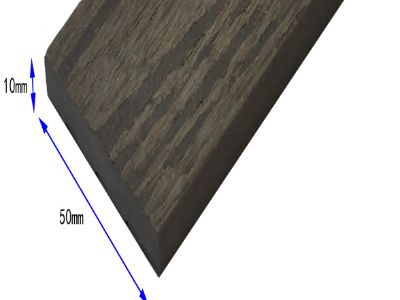
When sourcing shiplap cladding, one of the most effective options is to purchase from established Asian factories. This practical guide will provide B2B buyers with essential insights into buying shiplap Castellated cladding, addressing key concerns such as quality, reliability, and cost-effectiveness. By understanding specifications, evaluating manufacturers, and recognizing best practices, purchasing managers, contractors, and product managers can make informed decisions that align with their project requirements.
Top Specifications for Quality Shiplap Cladding from Asian Suppliers
When considering shiplap cladding, several specifications are vital to assess before making a purchase. Key specifications include:
Material Composition: Look for wood plastic composite (WPC) materials, which offer a durable and eco-friendly alternative to traditional wood. WPC is resistant to moisture and insects, making it ideal for various climates.
Dimensions and Thickness: Common thicknesses for shiplap cladding range from 8mm to 20mm, depending on the application. It’s crucial to confirm that the dimensions meet your project's structural requirements and aesthetic preferences.
Finish and Surface Treatment: The finish can significantly affect durability and appearance. Ensure that the surface is UV-protected and has a suitable coating that prevents fading and wear over time.
Color and Texture Variations: Customization options can enhance the aesthetic appeal. Check if the manufacturer provides various colors and textures that align with your design vision.
Evaluating these specifications helps ensure the cladding will perform well in its intended application, whether in residential or commercial settings.
How to Evaluate the Reliability of Shiplap Cladding Manufacturers
Selecting a reliable manufacturer is crucial for ensuring quality and timely delivery. Here are key factors to consider:
Certifications: Verify that the manufacturer holds relevant certifications, such as ISO and REACH. These indicate compliance with international quality and environmental standards.
Production Capacity: Understand the manufacturer’s capacity to meet your order volume. A supplier with multiple production lines, like Nanjing Jufeng Advanced Materials Co., Ltd., can typically handle larger orders efficiently.
Quality Control Processes: Inquire about the quality control measures in place. A reputable manufacturer should have rigorous testing protocols, such as using a CNAS-certified lab for testing materials, to ensure product consistency and reliability.
Industry Experience: Manufacturers with extensive experience in producing WPC products often demonstrate a better understanding of material performance and manufacturing challenges.
Client Testimonials and Case Studies: Request references or case studies from previous clients. This can provide insights into the manufacturer's reliability and customer service.
Evaluating these factors will help you assess potential suppliers effectively and reduce the risk of production issues down the line.
Best Practices for Shiplap Cladding Orders
To ensure a smooth ordering process for shiplap cladding, adhere to the following best practices:
Request Samples: Always request samples before placing a bulk order. This allows you to inspect the material quality, finish, and dimensions firsthand.
Confirm Specifications: Clearly define all specifications required for your order, including dimensions, colors, and finishes. This helps prevent misunderstandings and ensures that the final product meets your expectations.
Negotiate Minimum Order Quantities (MOQ): Discuss MOQs upfront. Some manufacturers may offer flexibility depending on the project size and scope.
Establish Clear Communication: Maintain open lines of communication with your supplier throughout the process. This includes discussing lead times, production schedules, and shipping logistics.
Plan for Quality Inspections: Arrange for quality inspections during production, if possible. This ensures that the product meets specifications before shipment.
Following these practices can streamline the purchasing process and enhance the overall quality of the shiplap cladding you receive.
Cost Factors to Keep in Mind When Sourcing Shiplap Cladding
Understanding the cost factors associated with shiplap cladding can help you budget effectively. Key considerations include:
Material Costs: The price of WPC materials may vary based on the composition and quality. Higher-quality materials may come with a higher price tag but can save costs in maintenance over time.
Production Costs: Factors such as labor, energy, and technology used in the manufacturing process can affect pricing. Manufacturers with advanced production capabilities may offer a better price-to-quality ratio.
Transportation and Shipping: Distance from the supplier to your location can impact shipping costs. Ensure to factor these into your overall budget, as well as potential tariffs or import duties.
Customization Costs: Customizing products may incur additional charges. Discuss these costs upfront to avoid surprises later in the process.
Quantity Discounts: Buying in bulk can often lead to significant savings. Inquire about volume discounts when placing larger orders.
Being aware of these cost factors can help you make informed financial decisions when sourcing shiplap cladding.
Tips and Techniques
To enhance your purchasing experience for shiplap cladding, consider the following tips and techniques:
Utilize Technology: Leverage online platforms for initial supplier research. Websites that compare manufacturers can offer insights into pricing, reviews, and capabilities.
Document Everything: Maintain thorough documentation of all communications, specifications, and agreements. This can help resolve any disputes that may arise during production or delivery.
Consider Long-Term Partnerships: Building a relationship with a reliable supplier can lead to better terms, improved communication, and priority treatment for future orders.
Stay Updated on Industry Trends: Understanding the latest trends in materials and design can help you make better purchasing decisions and potentially offer innovative solutions to your clients.
Prioritize Sustainability: Given the growing emphasis on eco-friendly products, consider sourcing from manufacturers that prioritize sustainable practices in their production processes.
Implementing these tips can lead to a more efficient and successful procurement process for shiplap cladding.
By following this practical guide, purchasing managers and other B2B buyers can navigate the complexities of sourcing shiplap fluted cladding from Asian factories effectively. Understanding specifications, evaluating manufacturers, and employing best practices will not only enhance the quality of your procurement but also contribute to the success of your projects.