
 EN
 AR
 FR
 DE
 JA
 PL
 PT
 RU
 ES
 ID
 TH
 MS
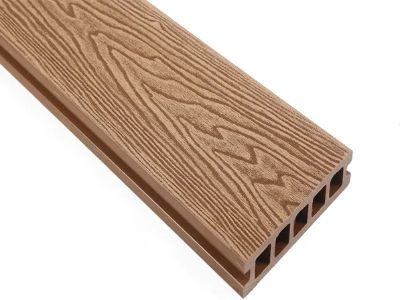
Reducing logistics spend is a critical concern for purchasing managers and distributors in the manufacturing and construction industries, particularly when sourcing materials like 3D embossed decking. Nanjing Jufeng Advanced Materials Co., Ltd. specializes in Wood Plastic Composite (WPC) products, providing a factory direct shipping model that can effectively lower logistics costs. This article will explore how factory direct shipping reduces logistics spend, key specifications for high-quality 3D embossed decking, the advantages of WPC materials, applications for 3D embossed decking, and common issues in decking supply with their solutions.
How Factory Direct Shipping Reduces Your Logistics Spend
Factory direct shipping eliminates intermediary costs associated with distributors and retailers, allowing buyers to purchase directly from manufacturers. This streamlined process not only reduces the overall cost of the product but also shortens lead times, making it easier to respond to project demands.
For companies like Nanjing Jufeng, which operates two production bases with 50 extrusion lines, the ability to ship directly from the factory means lower freight costs and simplified logistics management. Buyers benefit from reduced handling fees and more competitive pricing. Additionally, factory direct shipping allows for better inventory management and less risk of overstocking or stockouts, which can further contribute to cost savings.
When considering a factory direct shipping option, buyers should evaluate the manufacturer’s shipping capabilities, including packaging methods and delivery timelines, to ensure that the logistics plan aligns with their operational needs.
Key Specifications for High-Quality 3D Embossed Decking
3D embossed decking is designed to deliver both aesthetic appeal and functional performance. Key specifications to consider when evaluating this product include:
Material Composition: The primary material, Wood Plastic Composite (WPC), combines the durability of plastic with the natural beauty of wood. Understanding the ratio of wood fiber to plastic is crucial, as it affects both strength and appearance.
Thickness and Dimensions: Standard thicknesses range from 20mm to 30mm, and the dimensions should be verified against project requirements to ensure compatibility with installation methods and structural support.
Surface Treatment: The quality of the embossing affects slip resistance and maintenance requirements. High-quality embossing will provide both aesthetic value and functional benefits, such as improved traction.
Load-Bearing Capacity: Buyers should confirm the load-bearing specifications based on the intended application, especially for decks that will support heavy furniture or foot traffic.
Evaluating these specifications ensures that the decking meets performance expectations while adhering to project requirements.
Evaluating the Advantages of Wood Plastic Composite Materials
WPC offers several advantages over traditional wood and plastic materials, making it a popular choice for decking tiles applications. Some notable benefits include:
Durability: WPC is resistant to rot, splintering, and insect damage, providing a longer lifespan—often exceeding 15 years—compared to traditional wood products.
Low Maintenance: Unlike wood, which requires regular staining and sealing, WPC only needs occasional cleaning to maintain its appearance, significantly reducing long-term maintenance costs.
Environmental Impact: As an eco-friendly alternative, WPC is made from recycled materials and is recyclable itself, appealing to sustainability-conscious buyers.
Aesthetic Versatility: The ability to produce 3D embossed patterns allows for various design options, enabling customization to fit aesthetic preferences and project requirements.
These advantages make WPC an attractive choice for both commercial and residential applications, catering to a wide range of buyers from contractors to architects.
Comparing 3D Embossed Decking for Various Applications
When selecting 3D embossed decking, it’s essential to consider the specific application and environment. Different applications may require different performance characteristics:
Residential Decking: For home use, aesthetics might take precedence, but durability and slip resistance remain critical. In this case, thicker boards with high-quality embossing are recommended.
Commercial Use: Decking used in commercial spaces must withstand heavier foot traffic and potential exposure to chemicals. Here, load-bearing capacity and resistance to wear become paramount.
Poolside Decking: Decks around pools must prioritize slip resistance and moisture resistance. Choosing a surface treatment that enhances these properties is essential for safety.
Outdoor Furniture Support: If the patio and decking will support heavy furniture, buyers should ensure that the selected product can accommodate the weight without warping or bending.
Understanding these application-specific requirements will help buyers make informed choices that align with their project demands.
Common Issues in Decking Supply and Their Solutions
Despite the benefits of WPC decking, buyers may encounter some common issues during the supply process:
Quality Control: Variability in production can lead to inconsistencies in product quality. Buyers should request samples and verify specifications before committing to larger orders.
Logistics Challenges: Shipping delays can impact project timelines. Establishing clear communication with the supplier regarding shipping schedules and expectations can mitigate these risks.
Customization Delays: If customized embossing or dimensions are required, buyers should confirm lead times and production capacities to avoid unexpected delays.
Miscommunication on Specifications: Clear documentation and communication of specifications are crucial. Buyers should provide detailed technical drawings or specifications to avoid misunderstandings during production.
By anticipating these challenges and establishing clear communication with manufacturers like Nanjing Jufeng, buyers can ensure a smoother supply process and satisfactory results for their projects.
In summary, reducing logistics spend through factory direct shipping of 3D embossed decking not only offers financial benefits but also enhances project efficiency. By understanding key specifications, the advantages of WPC materials, application considerations, and common supply issues, buyers can make informed decisions that meet their needs effectively.