
 EN
 AR
 FR
 DE
 JA
 PL
 PT
 RU
 ES
 ID
 TH
 MS
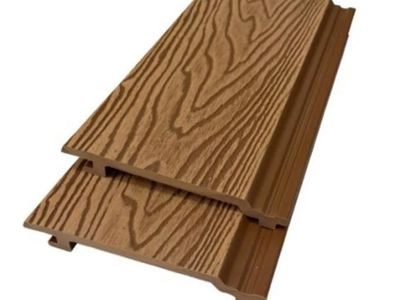
Understanding what to ask your Wood Plastic Composites (WPC) partner about dimensional stability is crucial for ensuring the performance and longevity of your projects. As a purchasing manager or engineer, you may have concerns regarding the quality, application suitability, and manufacturing processes of these materials. This article will help you navigate essential questions and considerations, enabling you to make informed decisions when selecting a WPC supplier.
How to Evaluate the Dimensional Stability of Wood Plastic Composites?
Dimensional stability refers to the ability of a material to maintain its original dimensions under varying environmental conditions, such as temperature and humidity fluctuations. When evaluating WPC for your projects, consider the following factors:
Material Composition: The ratio of Wood plastic composite decking in indonesia fibers to plastic can significantly affect dimensional stability. A higher plastic content typically enhances moisture resistance and reduces expansion and contraction. Request information on the specific materials used in the composite.
Testing Methods: Inquire about the testing protocols the manufacturer follows to assess dimensional stability. Look for compliance with industry standards, such as ASTM D7031, which outlines the evaluation of WPC performance.
Environmental Conditions: Understand the conditions under which the WPC will be used. Different applications may require different stability characteristics. Make sure the supplier can provide data on how their products perform in your specific environment.
Long-term Performance Data: Seek out historical data or case studies that demonstrate the long-term performance of their WPC products, especially under challenging conditions. This can provide insight into stability over time.
By addressing these areas, you can better assess the dimensional stability of WPC and ensure it meets your project's needs.
Where to Find Reliable Suppliers for Dimensional Stable WPC Products?
Finding a trustworthy WPC supplier is essential for ensuring the dimensional stability and overall quality of your products. Here are some strategies to identify reliable manufacturers:
Industry Certifications: Look for suppliers with recognized certifications, such as ISO and REACH, which indicate adherence to quality and environmental standards. Nanjing Jufeng Advanced Materials Co., Ltd., for example, has achieved these certifications, demonstrating their commitment to quality.
Customer Reviews and Testimonials: Seek feedback from other businesses that have used the supplier's products. Positive reviews, particularly regarding dimensional stability, can be a good indicator of reliability.
Product Samples: Request samples to evaluate the wood plastic composite decking physical properties of the WPC. Assessing the sample will help you understand its dimensional stability and suitability for your application.
Trade Shows and Industry Events: Attend industry conferences and exhibitions to meet potential suppliers. This allows you to discuss their products directly and gain insights into their manufacturing processes and capabilities.
Networking: Leverage professional networks or industry associations to gather recommendations for reputable suppliers known for producing stable WPC products.
By combining these approaches, you can identify a supplier that meets your dimensional stability requirements.
How Does Dimensional Stability Impact WPC Installation Processes?
Dimensional stability has a direct impact on the installation processes of WPC products. Understanding this relationship can help you avoid common pitfalls. Consider the following:
Installation Environment: Ensure that the installation environment is suitable for the WPC being used. High humidity or extreme temperature fluctuations can affect the material's performance. Proper acclimatization of the WPC before installation is recommended to minimize expansion or contraction.
Spacing Requirements: Dimensional stability affects how much space should be left between planks. A stable WPC product requires less spacing than less stable options, which helps maintain the integrity of the installation and reduces the risk of buckling.
Fastening Techniques: The choice of fastening system can also be influenced by dimensional stability. For example, using hidden fasteners may be advantageous with more stable composites, allowing for greater movement without compromising the aesthetic.
Long-term Maintenance: A WPC with good dimensional stability will require less maintenance and fewer repairs over time, as it is less prone to warping or splitting. This can significantly reduce long-term costs and downtime.
By understanding these installation implications, you can streamline your processes and reduce potential issues.
Understanding Cost Factors Related to WPC Dimensional Stability
When evaluating WPC options, the cost can vary significantly based on dimensional stability factors. Here are some key considerations:
Material Quality: Higher quality materials that offer better dimensional stability may come at a premium price. However, investing in these materials can lead to long-term savings by reducing maintenance and replacement costs.
Manufacturing Processes: The complexity of production methods can impact pricing. Advanced production techniques that enhance stability may increase costs but also improve performance and longevity.
Custom Specifications: If your project requires specific dimensional stability characteristics, be prepared for potential cost increases due to custom formulations or manufacturing processes.
Volume Discounts: Consider the minimum order quantity (MOQ) and how it affects pricing. Larger orders may qualify for discounts, but ensure that the dimensional stability remains consistent across larger batch productions.
Shipping and Handling: The cost associated with shipping stable WPC products should also be considered. Ensure that the packaging protects the product from environmental factors that may affect stability during transport.
By understanding these factors, you can make more informed decisions regarding WPC purchases based on dimensional stability needs.
How to Choose the Right WPC Based on Dimensional Stability Needs?
Choosing the right WPC involves evaluating your specific dimensional stability requirements. Here are steps to guide your selection process:
Define Project Requirements: Clearly outline the expected environmental conditions and performance requirements for your project. This will guide you in selecting a WPC product that meets your stability needs.
Consult with Experts: Engage with suppliers or industry experts who can provide insights into the best WPC solutions for your application. Their experience can help you navigate complex specifications.
Compare Product Specifications: Review technical data sheets from multiple suppliers. Look for key indicators of stability, such as moisture absorption rates and thermal expansion coefficients.
Request Testing Results: Ask for third-party test results that validate the dimensional stability claims made by the decking wood plastic composite manufacturer. Independent verification can provide additional assurance of product quality.
Consider Future Performance: Think about how the selected WPC will perform over time. A product with superior dimensional stability may have a higher upfront cost but can save you money and stress in the long run due to lower maintenance and replacement needs.
By following these steps, you can confidently choose a WPC product that aligns with your dimensional stability requirements and project goals.
Table of Contents
- How to Evaluate the Dimensional Stability of Wood Plastic Composites?
- Where to Find Reliable Suppliers for Dimensional Stable WPC Products?
- How Does Dimensional Stability Impact WPC Installation Processes?
- Understanding Cost Factors Related to WPC Dimensional Stability
- How to Choose the Right WPC Based on Dimensional Stability Needs?