
 EN
 AR
 FR
 DE
 JA
 PL
 PT
 RU
 ES
 ID
 TH
 MS
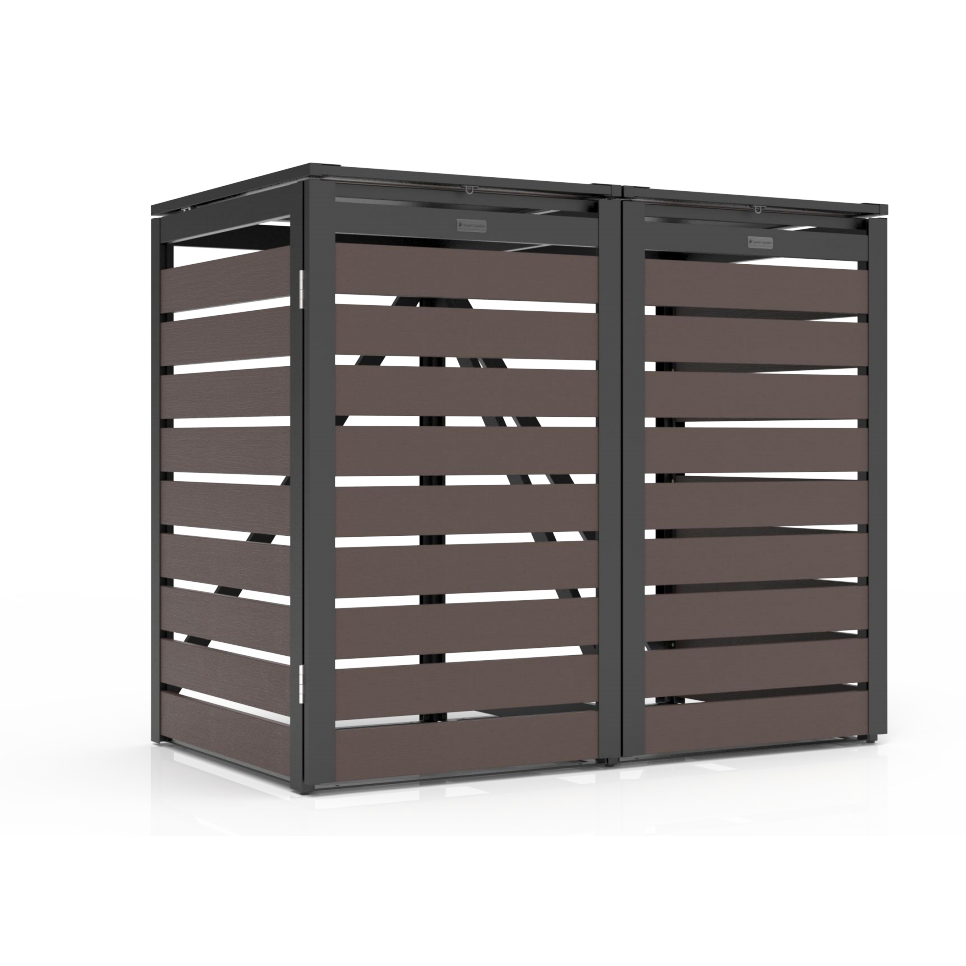
Meeting European EPD Standards for Your Next B2B Construction Bid is crucial for ensuring compliance and enhancing your project's sustainability profile. As a purchasing manager or project engineer, understanding the Environmental Product Declaration (EPD) standards can significantly impact your bid's competitiveness. This article will guide you through the essential elements needed for your bid, how to ensure compliance with EPD criteria, and practical advice on sourcing Wood Plastic Composites (WPC) that meet these standards.
What You Need for Your B2B Bid
When preparing a bid that complies with European EPD standards, the first step is to gather comprehensive product information. For WPC decking products, this includes specifications such as material composition, environmental impact data, certifications, and expected lifespan. You should also be aware of the specific requirements of the construction project you are bidding on, which may dictate additional documentation or compliance measures.
Key factors to include in your bid preparation are:
Detailed product specifications, including dimensions, weight, and finishes.
Environmental impact assessments backed by EPD documentation.
Certifications such as ISO and REACH, which affirm product quality and environmental safety.
Information on your manufacturer’s production capabilities, including available variations and customization options.
Having this information readily available not only strengthens your bid but also demonstrates a commitment to sustainability, a significant factor in many modern construction projects.
Ensuring Compliance with EPD Criteria
Compliance with EPD criteria involves understanding the specific metrics that EPDs assess, such as life cycle assessments (LCA). These evaluations cover the environmental impact of a product from material extraction through to disposal. To ensure compliance, work closely with your chosen WPC manufacturer to obtain accurate data on the environmental performance of their products.
Consider the following steps to ensure compliance:
Request EPD Documentation: Ensure that the WPC manufacturer provides EPDs that are compliant with European standards. This documentation should detail the environmental impact of the product throughout its life cycle.
Verify Certification: Confirm that the EPD has been verified by an independent third party, which adds credibility to the claims made.
Evaluate Product Performance: Assess performance metrics such as durability, maintenance requirements, and end-of-life disposal options. This evaluation is crucial as it affects the long-term sustainability of the product and your project.
Understanding these criteria can help you mitigate risks associated with non-compliance and enhance the overall value of your bid.
Finding Trusted WPC Manufacturers for Bids
Selecting a reliable outdoor WPC decking manufacturer is vital to your project's success. As a leading manufacturer, Nanjing Jufeng Advanced Materials Co., Ltd. has established a reputation for quality and compliance. Here are some tips for identifying trustworthy manufacturers:
Credentials and Certifications: Look for manufacturers whose products have been certified by recognized organizations, such as ISO and REACH. These certifications indicate adherence to international quality standards and environmental regulations.
Production Capacity and Experience: Evaluate the manufacturer’s production capabilities and experience in the industry. A company with a long track record and multiple production lines can typically handle larger orders and provide consistent product quality.
Customer Reviews and References: Seek feedback from previous buyers regarding product quality, service, and support. This can provide insights into the manufacturer's reliability and customer service.
Engaging with a reputable manufacturer will not only facilitate compliance with EPD standards but also ensure that you receive high-quality products suitable for your construction needs.
Installation Guidance for Wood Plastic Composites in Construction
Understanding the installation process for WPC products is essential for ensuring their performance in your construction project. Here are some installation considerations specific to WPC:
Surface Preparation: Ensure that the installation surface is clean and dry. Proper surface preparation helps prevent issues like warping or buckling over time.
Installation Techniques: Follow the manufacturer’s recommended installation guidelines, which may include specific techniques for cutting, fastening, and spacing. Misalignment or improper fastening can lead to product failure and increased maintenance needs.
Environmental Conditions: Be aware of the environmental conditions during installation, such as temperature and humidity. WPC products can expand and contract with temperature changes, so allowances should be made in the installation plan.
By adhering to proper installation practices, you can maximize the durability and performance of WPC products, ultimately contributing to the sustainability goals of your project.
Where to Source Bulk Orders of EPD-Compliant WPC Products
When sourcing bulk orders of EPD-compliant WPC products, consider engaging directly with manufacturers or reputable distributors to ensure access to the best products. Here are some strategies to effectively source your materials:
Direct Manufacturer Engagement: Establish relationships with manufacturers like Nanjing Jufeng Advanced Materials Co., Ltd., who can provide tailored solutions and bulk pricing. Direct engagement can also facilitate customization based on specific project requirements.
Request Samples: Before placing a bulk order, request samples of the WPC wall panels products to evaluate their quality, appearance, and performance under actual conditions.
Negotiate Terms: Discuss terms such as minimum order quantities (MOQ), lead times, and packaging options with your supplier. This conversation will help you align your procurement strategy with project timelines and budgets.
Sourcing from a trusted manufacturer not only ensures compliance with EPD standards but also provides peace of mind regarding product reliability and performance.
By understanding the processes and criteria involved in meeting European EPD standards, you can enhance your bid's competitiveness and contribute positively to your project's sustainability objectives.