
 EN
EN
 AR
AR
 FR
FR
 DE
DE
 JA
JA
 PL
PL
 PT
PT
 RU
RU
 ES
ES
 ID
ID
 TH
TH
 MS
MS
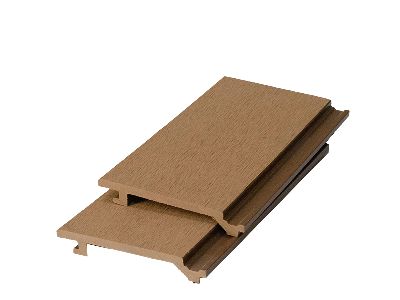
Sustainable Building with Wood Plastic Composites: A Guide for Green Construction
Building with sustainable materials is becoming increasingly popular as businesses and builders look for ways to reduce environmental impact. One important option is wood plastic composites, also known as WPCs. These materials combine wood fibers and plastic to create products that can be used for various construction and outdoor applications.
JFWPC focuses on providing wood plastic composites for customers who want practical and sustainable material options. WPCs can offer durability, easy maintenance, and design flexibility while making use of recycled or reclaimed materials in suitable products. Choosing the right composite material can help builders create projects that balance performance, appearance, cost, and sustainability.
The Benefits of Choosing Sustainable Wood Plastic Composites for Wholesale Buyers
Buying wood plastic composites from a reliable supplier can provide several advantages for wholesale buyers. One of the biggest benefits is durability. WPC products are designed to withstand many outdoor conditions and can resist problems commonly associated with traditional wood, such as moisture exposure, decay, and insect damage. This makes them useful for applications such as decking, fencing, wall panels, flooring, and outdoor furniture.
Long-term durability can also provide financial benefits. Materials that require fewer replacements can help reduce maintenance and replacement expenses over the life of a project. For wholesale buyers, this can make WPC products an attractive option when considering the total cost of ownership rather than only the initial purchase price. Maintenance is another advantage. Traditional wood panel may require regular painting, staining, sealing or other treatments depending on the application. Many WPC products require less routine maintenance and can often be cleaned with basic methods. This can save both time and labor for property owners and contractors.
WPCs are also versatile. They can be produced in different colors, textures, profiles, and finishes, giving designers more freedom when creating residential or commercial spaces. Buyers can select products that provide a wood-like appearance while meeting the functional requirements of their projects.
Sustainability is another reason many businesses consider composite materials. Depending on the product formulation and manufacturing process, WPCs can incorporate recycled plastic and wood-based materials. This can help make use of recovered resources and reduce reliance on virgin materials. Buyers should still check the specific recycled content and environmental claims of each product rather than assuming that every WPC has the same sustainability profile.
Common Usage Issues with Wood Plastic Composites and How to Overcome Them
Although wood plastic composites offer many advantages, they also have characteristics that users need to understand before installation. One common concern is appearance. Some buyers may expect composite products to look exactly like natural wood. However, WPCs have their own appearance, and different products can vary significantly in texture, color, and finish.
Choosing the right style can help address this concern. JFWPC offers different options that can provide attractive wood-inspired finishes for various applications. Buyers should request samples whenever possible so they can evaluate the actual color and texture before placing a large order.
Temperature changes are another factor to consider. Like many composite materials, WPC products can expand and contract when exposed to changes in temperature. Proper installation is therefore important. Installers should follow the manufacturer's recommendations for spacing, fastening, support, and expansion requirements.
Moisture and surface conditions should also be considered, particularly for outdoor applications. Although many WPC products have good resistance to moisture, performance can depend on the specific formulation and installation environment. Areas that regularly become wet may also require products with appropriate surface characteristics for the intended use.
Slip resistance can be another consideration for decks, patios, walkways, and other outdoor areas. Buyers should select products with surface properties suitable for their application and follow installation recommendations carefully.
Understanding these characteristics before installation can prevent many common problems. Working with an experienced supplier can also help buyers select the appropriate WPC product for their climate, application, and expected level of use.
How Wood Plastic Composites Enhance Energy Efficiency in Green Buildings?
Wood plastic composites can contribute to green building projects in several ways, although their actual effect on energy efficiency depends heavily on where and how they are used. WPCs are commonly used for exterior decking, fencing, cladding, wall features, flooring, and other applications.
Their durability can support longer service life, which may reduce the need for frequent replacement. A longer-lasting material can help reduce the resources and energy associated with manufacturing, transporting, and installing replacement products.
WPCs can also be incorporated into building designs that emphasize thermal performance. For example, composite materials may be used as part of exterior systems where insulation, shading, ventilation, and other building elements work together. However, WPC itself should not automatically be considered an insulation material. The overall building design determines whether a project achieves meaningful energy savings.
Another environmental advantage can come from the materials used to manufacture WPCs. Some products incorporate recycled plastic and wood fibers, which can help divert suitable waste materials from disposal. The environmental benefits depend on the percentage of recycled content, manufacturing methods, product lifespan, and eventual disposal or recycling options.
JFWPC aims to provide composite material solutions for businesses interested in sustainable construction. By selecting products carefully and using them in appropriate applications, builders can combine attractive design with durability and responsible material choices.
What Are the Cost Advantages of Sourcing Wood Plastic Composites Wholesale?
Cost is an important consideration for construction companies, distributors, contractors, and other wholesale buyers. Purchasing wood plastic composites in larger quantities can potentially provide better unit pricing compared with smaller purchases. This can be particularly useful for large projects requiring substantial amounts of decking, fencing, flooring, or other composite products.
Wholesale sourcing can also simplify purchasing. Instead of ordering materials from multiple suppliers, businesses can establish a relationship with one dependable supplier and coordinate larger orders. This can make inventory planning and project scheduling easier.
Durability can provide another potential cost advantage. WPC products designed for appropriate applications can resist moisture, decay, and insect-related damage, which may reduce the frequency of repairs and replacements. Buyers should evaluate product specifications and expected service life before making comparisons with other materials. Maintenance costs should also be considered. If a WPC product requires less painting, staining, or sealing than a comparable wood product, the savings in labor and maintenance materials can add up over time.
Energy-related savings should be evaluated separately. deck plastic wood composites can be part of an energy-conscious building design, but they should not automatically be expected to reduce heating and cooling costs on their own. Proper insulation, windows, ventilation, shading, and building orientation generally have a much greater effect on energy performance. For wholesale buyers, the best approach is to compare the complete project cost. This includes the purchase price, transportation, installation, maintenance, expected service life, and replacement requirements. This broader comparison can help businesses determine whether WPC is the most economical choice for their specific project.
Where to Source Eco-Friendly Wood Plastic Composites for Your Next Project
Finding a dependable supplier is an important step when planning a project using wood plastic composites. Buyers should look for suppliers that can provide clear product specifications, consistent quality, appropriate technical information, and reliable customer support.
JFWPC is one option for businesses looking for WPC materials. Buyers can communicate their project requirements and ask about available profiles, finishes, sizes, applications, and purchasing options. Requesting technical information before ordering can help ensure that the selected product is appropriate for the intended environment.
Local suppliers can also be useful. Purchasing locally may simplify transportation and allow builders to inspect samples before making a large purchase. Local distributors may also provide installation support or faster access to replacement materials.
Online suppliers provide another convenient option. Buyers can compare different products, review specifications, examine project examples, and communicate with manufacturers or distributors. However, it is important to verify product information and supplier reliability before placing a large order.
When evaluating an eco-friendly WPC product, buyers should ask about recycled content, manufacturing practices, durability, maintenance requirements, installation instructions, and end-of-life options. Environmental certifications or documentation can also be useful when available.
By carefully comparing suppliers and products, builders can find wood plastic composites that meet their performance requirements while supporting more responsible construction practices. With proper selection and installation, WPCs can be a durable, versatile, and practical material for modern building projects.
Table of Contents
- The Benefits of Choosing Sustainable Wood Plastic Composites for Wholesale Buyers
- Common Usage Issues with Wood Plastic Composites and How to Overcome Them
- How Wood Plastic Composites Enhance Energy Efficiency in Green Buildings?
- What Are the Cost Advantages of Sourcing Wood Plastic Composites Wholesale?
- Where to Source Eco-Friendly Wood Plastic Composites for Your Next Project