
 EN
EN
 AR
AR
 FR
FR
 DE
DE
 JA
JA
 PL
PL
 PT
PT
 RU
RU
 ES
ES
 ID
ID
 TH
TH
 MS
MS
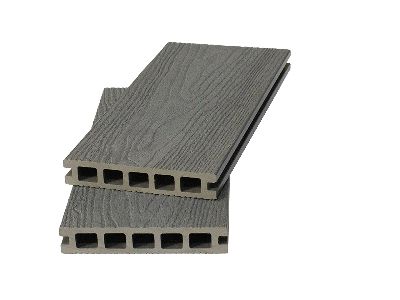
Testing composite decking products in extreme weather can show how strong and reliable these materials are. At JFWPC, we understand that customers want to know if their decking will last through heavy rain, snow, or intense heat. It’s important to check how well these materials hold up when nature throws its worst at them. Imagine building a beautiful deck, only to have it warp or fade after a bad storm. So, knowing what to look for is key. This article will help you understand what to focus on when testing composite decking and how extreme weather can affect its performance
What to Look for When Testing a Composite Decking Supplier's Products in Extreme Weather
When you test composite decking, start by checking the material's resistance to water. Water can cause wood to swell, crack, or rot. Composite materials are made to resist this, but still, you should check how they react after being soaked. Look for signs of warping or discoloration. Next, temperature changes are important too. Extreme heat can make some materials expand, while cold can cause them to contract. Testing in both hot and cold weather will show how the decking holds up
Additionally, think about UV protection. The sun can fade colors over time. If the decking is not UV protected, it might lose its vibrant look. Check if the supplier has any tests that show how their product reacts to sunlight. Another thing to look for is slip resistance. If it rains, the deck can get slippery. Look for products that keep their grip, even when wet. Finally, consider the warranty. A good warranty from JFWPC shows confidence in the product's durability. If a supplier offers a long warranty, it usually means they trust their product to withstand tough conditions
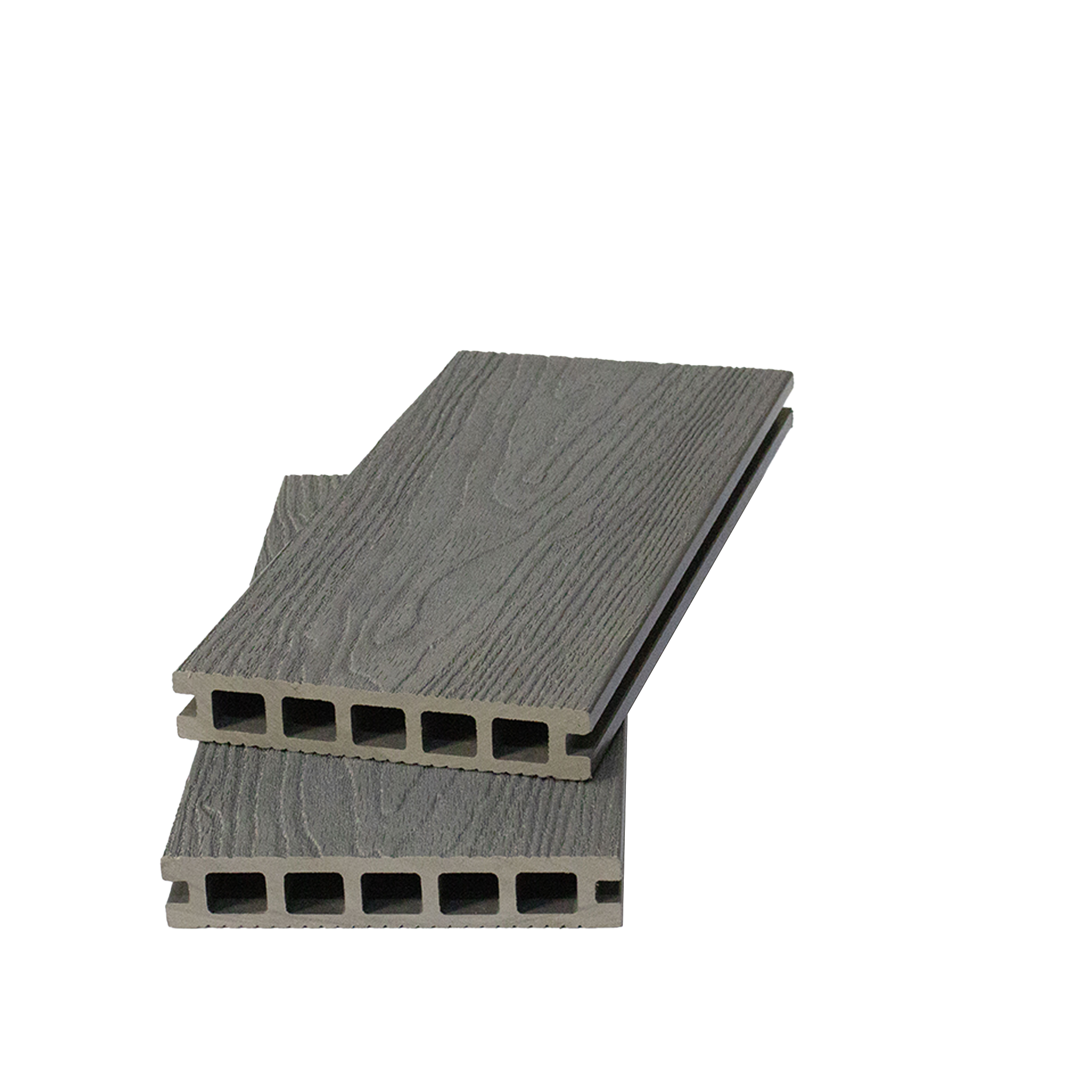
How Extreme Weather Affects the Performance of Composite Decking Materials
Extreme weather can really change how composite decking performs. For instance, heavy rain can lead to pooling water on the surface. If the decking is not designed to drain well, this can lead to issues like mold or mildew. Even though composite materials are made to resist water, standing water can still be a problem. This is why good drainage design is crucial
On the other hand, when it gets hot outside, some composite materials can become very hot to walk on. This can be uncomfortable for people and pets. It’s also possible that under intense sun, some materials might fade quicker than others. This is why looking for UV-resistant products is important. Cold weather can be harsh too. If temperatures drop too low, some composites might become brittle and crack. It's essential to test how flexible the material is in freezing temperatures
Windy conditions can also cause debris to blow onto the deck. If leaves, dirt, or other items are left on the surface, they can stain or damage the decking over time. So, keeping the deck clean is always a good idea. Finally, remember that extreme weather can test the strength of the decking. During storms, strong winds can put pressure on the materials. Checking how the deck holds up in these conditions is vital for safety and durability
In the end, understanding how weather impacts composite decking helps you choose the right product. At JFWPC, we care about quality and want to ensure our decking stands strong against the harshest weather. So, when choosing decking, it’s important to consider how it will perform in different weather conditions
How to Evaluate Composite Decking Products Under Severe Weather Conditions
When you want to buy composite decking, especially from a supplier like JFWPC, it's important to know how the product will stand up to bad weather. Extreme weather can be tough on outdoor materials. To start, look for how the decking performs in very hot or very cold temperatures. Good composite decking should not warp, crack, or fade when it's hot. You can ask the supplier for test results that show their product's ability to handle heat. Similarly, in cold weather, the decking should not break or become slippery when ice forms. Another way to evaluate is to check how well the decking resists moisture. Rain and snow can lead to mold and mildew, which can ruin the look and safety of your deck. Quality products usually have special coatings or materials that keep water out. You can also check if the supplier offers a warranty. A good warranty often shows that the company believes in the quality of their product. If they promise to replace it if it fails, that’s a good sign! Lastly, you should consider how easy the decking is to maintain. Composite decking that needs a lot of care can be a headache, especially after a storm. Look for products that just need a simple wash with soap and water. This will help keep your deck looking great no matter what the weather throws at it
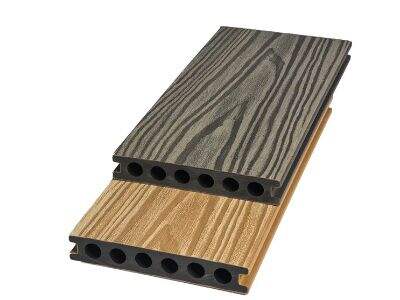
How to Identify Quality Composite Decking Suppliers for Your Wholesale Needs
Finding the right supplier for your composite decking needs is very important, especially if you want to buy in bulk. When looking for a quality supplier like JFWPC, start by checking their experience in the industry. A company that has been around for a while usually understands the market better and knows how to make strong products. You should also look at customer reviews. Happy customers often leave great feedback, while unhappy ones may leave warnings. This can give you insight into how reliable the supplier is. Ask about the types of materials they use. Quality suppliers use strong, durable materials that can handle different weather conditions. They should be open to explaining their manufacturing process and the science behind their products. Another important factor is customer service. A good supplier should be easy to contact and ready to answer all your questions. If they are hard to reach or don't respond well, it might be a red flag. Make sure to also inquire about their delivery times and policies. A reliable supplier should be able to deliver your decking on time without extra costs. Finally, participate in trade shows or local home improvement events. These events are great places to meet suppliers in person and see their products up close. This way, you can make sure you are choosing the best option for your decking needs
What Are the Key Features of Composite Decking That Withstand Extreme Weather
Composite decking is becoming a popular choice for many homeowners because it offers features that help it survive extreme weather. One of the key features is its resistance to moisture. Unlike traditional wood, which can soak up water and swell, composite decking is made from materials that repel water. This means that even during heavy rain or snow, the decking will not warp or rot. Another important feature is UV resistance. The sun can be very harsh, and it can cause colors to fade over time. Good composite decking from brands like JFWPC has a special coating that protects it from UV rays, keeping it looking new for years. Additionally, composite decking is designed to be slip-resistant. This is very important during rainy or icy weather when surfaces can become dangerous. With a textured surface, composite decking provides better traction, making it safer for families. Many composite decking products also come with a warranty that covers fading, staining, and other common issues. This gives buyers confidence that they are making a smart investment. Lastly, composite decking is low-maintenance. It doesn't need staining or sealing like wood does. All you need to do is clean it occasionally with soap and water to keep it looking great. These features make composite decking a smart choice for anyone looking to build a deck that can handle whatever Mother Nature throws its way
Table of Contents
- What to Look for When Testing a Composite Decking Supplier's Products in Extreme Weather
- How Extreme Weather Affects the Performance of Composite Decking Materials
- How to Evaluate Composite Decking Products Under Severe Weather Conditions
- How to Identify Quality Composite Decking Suppliers for Your Wholesale Needs
- What Are the Key Features of Composite Decking That Withstand Extreme Weather